Packing fragile belongings correctly is one of the most important parts of any relocation. If you’re searching for how to pack fragile items for moving, you’re likely worried about breakage, stress, and costly damage during transit. With the right method and materials, even the most delicate items can be transported safely with minimal risk.
Whether you’re planning a DIY move or considering professional help like packing services, the goal is the same: to secure every fragile item so it survives the journey intact. For homeowners and businesses in Houston and Sugar Land, careful preparation becomes even more important due to long-distance travel, traffic vibrations, and loading challenges.
What Is the Best Packing Material for Fragile Items?
The first step in learning how to pack fragile items for moving is choosing the right materials. Poor-quality supplies are one of the biggest causes of breakage during relocation.
The most effective packing materials include:
- Bubble wrap for cushioning glass and ceramics
- Packing paper for wrapping and filling gaps
- Foam sheets for electronics and artwork
- Sturdy double-walled boxes for heavy, fragile items
- Towels or clothing as budget-friendly padding
According to the U.S. Census Bureau migration data, millions of Americans move each year, which highlights how common relocation is and why proper packing methods are essential for reducing damage during transit.
Using the right combination of materials reduces movement inside boxes and prevents impact damage during transport.
Read More: Complete List of Packing Items
How to Safely Pack Fragile Items in Simple Steps
This is the core process for anyone preparing fragile belongings for relocation. Follow these steps carefully to reduce risk and ensure stability throughout the move.
Step 1: Sort Fragile Items
Start by grouping fragile items into categories such as glassware, electronics, ceramics, and décor. This makes it easier to choose the right box size and packing method for each category. Sorting also prevents heavier items from damaging lighter, more delicate ones during packing and transport.
Step 2: Choose the Right Box Size
Smaller boxes are best for heavy, fragile items as they reduce shifting and pressure, while medium boxes work well for lighter, delicate items. It’s also important to avoid mixing heavy and light items in the same box, as this increases the risk of breakage. When needed, affordable Houston movers can also provide durable, high-quality boxes designed specifically for fragile belongings.
Read More: How to Pack Boxes for Moving
Step 3: Wrap Each Item Individually
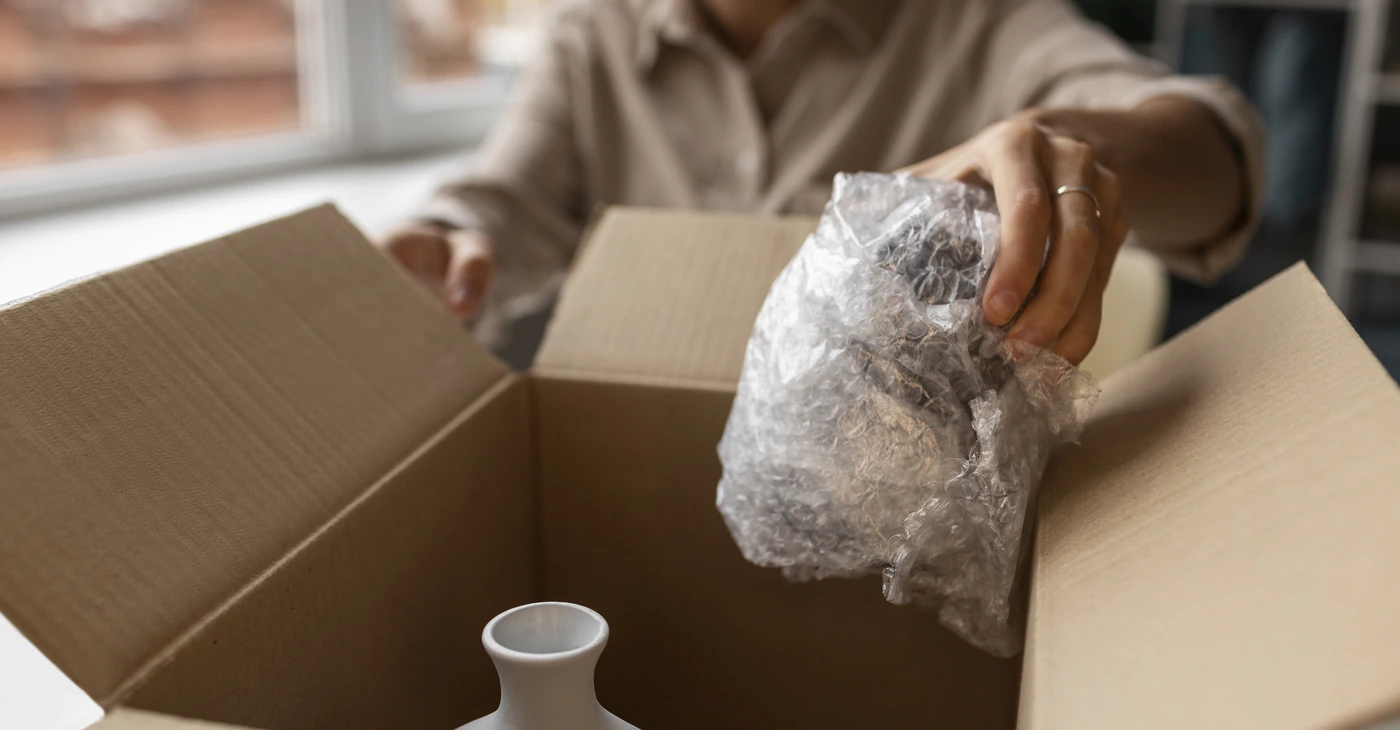
Each fragile item should be wrapped separately using bubble wrap or packing paper. Never allow items to touch each other inside a box.
For extra protection:
- Wrap glassware twice
- Secure the edges of the plates vertically
- Use foam for electronics or screens
This step is critical in preventing friction damage during transport handled by Houston to Baytown movers or other long-distance routes.
Step 4: Add Cushioning Layers Inside the Box
Adding cushioning layers inside the box is a crucial step in protecting fragile items during a move. Before placing any items inside, start with a thick base layer of cushioning at the bottom to absorb shocks from drops or movement.
You can use crumpled packing paper, soft towels, or foam peanuts, depending on what you have available. Once the items are placed, continue adding cushioning between layers and finish with a protective top layer to ensure the contents remain secure and well-protected throughout the move.
Step 5: Fill Empty Spaces to Prevent Movement
One of the most common causes of damage is the space inside boxes. Even slight movement can cause cracking or breaking.
Fill gaps using:
- Packing paper
- Soft clothing
- Air pillows
Professional teams offering portable storage movers services often use this technique to ensure items remain stable during long storage and transit periods.
Step 6: Seal and Label Boxes Clearly
Sealing and labeling boxes clearly is an essential final step when packing fragile items for moving. Once all items are securely packed, use heavy-duty packing tape to seal the boxes properly to prevent them from opening during transit. Each box should be clearly labeled with “FRAGILE,” “THIS SIDE UP,” and the intended room destination to guide proper handling and placement.
How to Pack Fragile Items Without Bubble Wrap
If bubble wrap is unavailable, you can still safely pack fragile items using household alternatives.
Effective substitutes include:
- Thick towels or blankets
- Socks for small glass items
- Clothing for cushioning
- Crumpled newspaper for filling gaps
While bubble wrap offers the highest protection, these alternatives can still significantly reduce breakage risk when used correctly.
Professional Fragile Packing in Houston & Sugar Land
While DIY packing is possible, fragile items often require expert handling. Hiring experienced movers reduces risk and saves time, especially for long-distance or large-scale relocations. Professional moving teams understand how to:
- Pack high-value, fragile items securely
- Load boxes safely into trucks
- Prevent vibration damage during transport
For many residents, working with trusted professional movers is the safest way to ensure valuables arrive intact.
Safely Packing Fragile Items for Moving with AFA Movers
Understanding how to pack fragile items for moving is essential for protecting your valuables during relocation. From selecting the right materials to using proper wrapping and cushioning techniques, every step plays a crucial role in preventing damage.
For residents in Houston and Sugar Land, careful packing combined with expert support ensures a smooth and stress-free moving experience. When time, safety, and precision matter, partnering with AFA Movers provides a reliable solution for local and long-distance relocations. Learn more at our website.