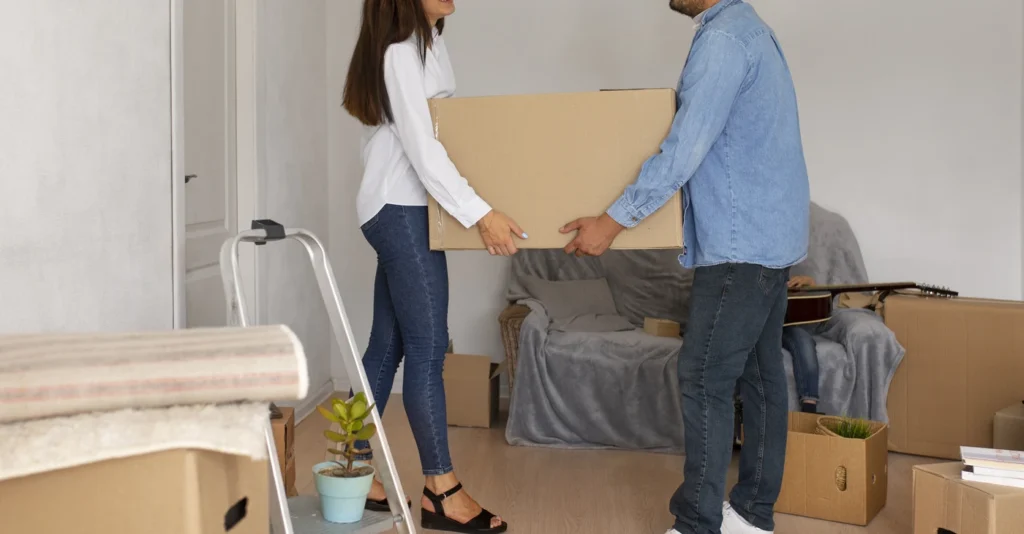

Moving furniture into a small apartment can feel like solving a real-life puzzle; every inch counts, every angle matters, and one wrong move can turn excitement into frustration fast. But with the right strategy, even the tightest hallways, narrow doors, and compact living spaces become totally manageable.
Whether you’re navigating staircases without an elevator, squeezing a sofa through a stubborn doorway, or figuring out what to dismantle before moving day, this guide will show you how to make the entire process smoother, smarter, and way less stressful. Let’s turn your small-space move into a confident win!
For anyone who wants expert help navigating tight spaces, AFA Movers, a trusted name among Houston apartment movers, is a fantastic choice for fast, careful, and reliable moving support. Our team specializes in small-apartment moves, ensuring your furniture gets in safely and stress-free.
Pre-Move Preparation
Moving into a small apartment is all about preparation and smart planning. A little upfront effort can prevent tight squeezes, unexpected obstacles, and unnecessary stress. Here’s how to get everything ready before moving day.
- Confirm Building Rules and Elevator Access
Start by checking in with your building management to understand all move-in requirements. Confirm whether you can use the elevator, if it needs to be reserved, and whether the building restricts moving to certain hours. It’s also helpful to ask about loading zones or parking rules so you can avoid delays and keep the process smooth from the moment you arrive.
- Measure Everything in Advance
Take time to measure your furniture and all the pathways it needs to pass through. Knowing the height, width, and depth of your largest items helps you compare them with doorways, hallways, and elevators, especially the elevator’s diagonal space, which can fit more than the straight measurements suggest. With accurate measurements, you can anticipate tight spots instead of being surprised by them.
- Take Photos of Tricky Areas
When dealing with small apartments, photos can be incredibly useful. Snapping pictures of narrow hallways, sharp corners, stairwells, or tight doorframes gives you a visual reference to plan how to angle, rotate, or position each piece before you start moving anything. It’s a simple step that makes decision-making much easier on moving day.
- Gather the Right Tools and Supplies
Before you begin, make sure you have the tools that simplify the entire process. Items like furniture sliders, moving blankets, shoulder dollies, and stair rollers make heavy pieces far more manageable.
Keep tape, zip bags, markers, and basic tools like screwdrivers or Allen keys nearby for any quick dismantling. Even cardboard sheets help protect floors while sliding items into place. It also helps to create and organize inventory of your moving supplies so you can access everything quickly and avoid losing essential items during the move.
- Plan the Order of Moving Items
Think through the sequence of what you’ll bring in first. Large furniture should go in before anything else, while the rooms are still open and empty. Medium items can follow next, and smaller boxes and loose items can come last since they easily fit around everything. Planning the order and knowing where each piece will go helps you avoid unnecessary rearranging once you’re inside.
Moving Furniture With or Without an Elevator
Moving furniture becomes much easier when you know how to adjust your strategy based on whether an elevator is available. Here are simple, practical tips for handling both situations efficiently.
Moving Furniture Using an Elevator
When you have access to an elevator, your move instantly becomes smoother; you just need to use the space wisely. These points help you load items safely and make the most of the limited elevator room.
- Check the elevator’s size, including the diagonal space.
- Protect the walls with pads, blankets, or building-provided covers.
- Place the largest furniture pieces inside first.
- Keep the weight balanced to prevent shifting.
- Have helpers ready on each floor to move items quickly and safely.
Moving Furniture Without an Elevator
Stairs make moving a bit more challenging, but the right tools and techniques make a huge difference. These simple steps help you stay safe and avoid damage during stair moves.
- Use stair rollers for boxes and shoulder dollies for heavy items.
- Move slowly, communicating clearly with your helper at every step.
- Tilt tall furniture upright when stairways are narrow.
- Take wide turns at landings to avoid hitting walls.
- Take short breaks between floors to prevent fatigue.
Final Steps for Moving Furniture Into a Small Apartment
Once you’ve prepared, measured, and planned your route, it’s time to actually move the furniture in. These steps help you bring everything into your small apartment smoothly, safely, and without the usual chaos.
Step 1: Clear a Path Inside the Apartment
Before bringing in any items, make sure the entryway and the main room are free of clutter. This gives you space to rotate furniture, set items down, and move around without bumping into things.
Step 2: Bring Large Furniture Pieces First
Start with beds, sofas, wardrobes, and tables while the room is still open. Large items are hardest to maneuver, so getting them in early prevents headaches later.
Step 3: Use the Right Moving Technique
Based on your situation, use elevator techniques, stair strategies, or rotation/angle tricks to get each piece inside. Rotate tall items diagonally when doorways are narrow and tilt furniture upright when floor space is limited.
Step 4: Disassemble or Keep Intact as Needed
If a piece is too big to fit, take off legs, remove shelves, or break it down into smaller parts. If it fits without dismantling, move it in carefully while protecting walls and floors with blankets or cardboard.
Read Related: How to Disassemble Furniture for a Move Easily & Safely
Step 5: Position Furniture in Its Final Spot Immediately
Avoid piling everything in the living room and sorting later; it doubles the work. Move each item directly to where it belongs so you won’t need to drag it around the apartment again.
Step 6: Bring In Medium Items Next
Once the big pieces are in place, bring in dressers, side tables, small shelving units, and lightweight furniture. These fill in the gaps without blocking your movement.
Step 7: Finish With Boxes and Small Items
Boxes, bags, and small décor pieces should come last since they’re easy to place around already-set furniture. Stack them neatly in open areas so you can unpack without tripping over anything.
Step 8: Do a Final Layout Check
Take a step back and make sure everything feels comfortable and functional. Adjust angles, shift pieces slightly, and optimize space. Small apartments feel amazing when the layout is intentional.
Step 9: Clean Up and Remove All Protective Materials
Pick up blankets, cardboard, straps, tools, and packaging. A quick cleanup helps the apartment feel settled instantly and makes the move feel finished.
Need Help Moving? Let AFA Movers Make It Easy
Moving into a small apartment doesn’t have to be stressful, especially when you have professional support ready to handle the heavy lifting. AFA Movers specializes in tight spaces, tricky stairways, elevator moves, and careful furniture handling, making them the perfect partner for a smooth and efficient move. Whether you need help with packing, dismantling, transporting, or setting everything up, their experienced team can take care of it all.
If you’re ready to make your move quick, safe, and hassle-free, call AFA Movers today at (832) 898-8808 and let the experts handle the rest!