
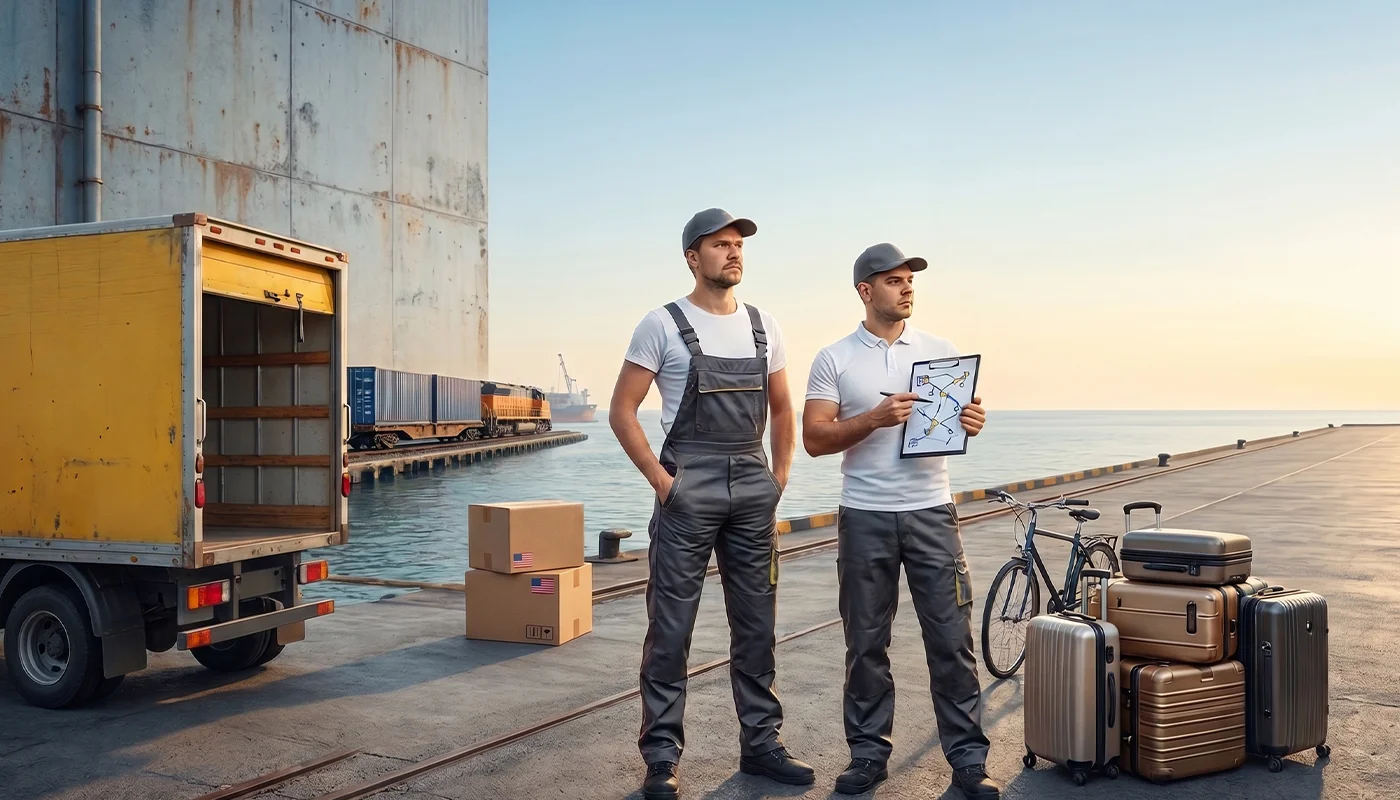
Moving to another country requires more planning than relocating to a different city or state. Along with packing your belongings, you may need to arrange visas, passports, housing, finances, healthcare, transportation, and other important details before leaving your current home.
Starting early gives you time to complete required paperwork, organize your belongings, and prepare for life in your new country. Whether you’re relocating for work, education, family, or a permanent change of residence, creating a clear plan can make the international moving process easier and less stressful.
What Should You Do First When Moving to Another Country?
The first step is to confirm that you can legally enter and live in your destination country. Visa requirements, residence permits, work authorization, and other immigration rules vary by country, so research the specific requirements that apply to your situation before making final moving arrangements.
Once your immigration requirements are clear, begin planning your finances, housing, healthcare, transportation, and household shipment. International moves involve several processes happening at the same time, so organizing them early can help prevent delays and unexpected problems.
How to Move to Another Country Step by Step
Moving abroad becomes easier when you break the process into individual steps. Start with legal and financial requirements, then move into housing, packing, transportation, and final travel preparations.
- Choose Your Destination: Research the country’s cost of living, employment opportunities, lifestyle, climate, and immigration options. Make sure the destination fits your long-term plans before committing to an international relocation.
- Research Visa Requirements: Determine which visa, residence permit, or work authorization you need for your situation. Check the requirements directly with the destination country’s official immigration authorities because rules vary between countries.
- Prepare Your Documents: Gather passports, visas, birth certificates, marriage records, educational records, financial documents, and other required paperwork. Keep important originals secure and prepare copies or digital backups for documents you may need during the move.
- Create an International Moving Budget: Account for transportation, shipping, housing, visa fees, insurance, travel, and initial living expenses. Building a realistic budget helps you prepare for costs that may occur before and after you leave your current country.
- Arrange Housing: Research neighborhoods and secure temporary or permanent accommodation before arriving whenever practical. Having a place to stay can make your first days abroad easier while you complete other settling-in tasks.
- Decide What to Take: Sort your belongings into items to ship, sell, donate, store, or discard. Reducing the amount you move can simplify packing and may lower international transportation or shipping costs.
- Choose a Moving Method: Compare international moving options such as air freight, sea freight, or transporting only essential luggage. Your choice should depend on how much you are taking, your timeline, destination, and budget.
- Plan Your Travel: Book flights and arrange transportation from the airport or port to your new accommodation. Keep passports, visas, important documents, medications, valuables, and essential personal items with you rather than in your shipment.
- Prepare for Arrival: Research local banking, healthcare, transportation, communication, and registration requirements before departure. Knowing what needs to be completed after arrival helps you settle into your new country more efficiently.
Check Your Visa and Immigration Requirements
Visa and immigration requirements should be addressed before you finalize your international relocation. The correct authorization depends on whether you’re moving for employment, education, family, retirement, permanent residence, or another purpose.
Determine Which Visa You Need
Different countries offer different visa categories for workers, students, families, investors, retirees, and other applicants. Determine which category applies to your circumstances and check how long you can remain in the country. Make sure you understand whether your visa permits employment, study, or family sponsorship. Using the wrong visa can create serious problems after you arrive.
Check Passport Requirements
Make sure your passport is valid for the period required by your destination country and that you have enough blank pages when applicable. If your passport is expired or nearing expiration, address the renewal before your relocation date. Keep your passport accessible during travel rather than placing it inside your household shipment.
Gather Supporting Documents
Prepare documents such as birth certificates, marriage certificates, educational records, employment letters, financial records, medical records, and other paperwork required for your application or arrival. Some documents may need certified copies, translations, authentication, or other formal processing depending on the destination. Keep original documents secure and carry important records separately.
Check Entry and Residency Rules
Review the requirements for entering the country and completing any residence registration after arrival. Some destinations require additional registration, permits, identification cards, or local appointments after you enter. Understanding these requirements before departure can prevent delays when establishing your new residence.
Plan Your Finances Before Moving Abroad
International relocation can involve expenses before, during, and after the move. Besides moving and travel costs, you may need money for housing deposits, temporary accommodation, transportation, insurance, utilities, and everyday expenses while establishing yourself abroad.
- Calculate Moving Costs: Include packing, transportation, shipping, insurance, customs-related expenses, and delivery charges. Request detailed quotes so you can compare the total cost rather than focusing only on the initial transportation price.
- Prepare an Emergency Fund: Set aside money for unexpected travel, housing, medical, or relocation expenses. Having accessible savings can provide flexibility if your shipment is delayed or your initial expenses are higher than expected.
- Research Cost of Living: Compare housing, groceries, transportation, utilities, healthcare, and other regular expenses in your destination. Understanding these costs helps you create a realistic monthly budget before you move.
- Plan Banking Arrangements: Research how you will access money and manage accounts after relocating. Check international transaction fees, currency exchange costs, account requirements, and any banking restrictions that apply to your situation.
- Plan for Initial Housing Costs: Budget for deposits, rent, temporary accommodation, utilities, and other move-in expenses. Having these funds available can make securing and maintaining housing easier during your first weeks abroad.
- Keep Accessible Funds: Make sure you have a reliable way to access money during travel and immediately after arrival. Do not place all your available funds or financial access information inside your shipped household belongings.
Decide What to Take With You
Not everything in your current home needs to travel with you to another country. International relocation can be a good opportunity to reduce clutter and keep only belongings that are useful, valuable, sentimental, or difficult to replace.
- Keep Essential Clothing: Pack clothing appropriate for your destination’s climate and your expected lifestyle.
Avoid shipping large quantities of clothing that you may rarely wear or that can be purchased more easily after arrival. - Pack Important Documents: Keep passports, visas, identification, financial records, educational records, and other essential documents with you.
These should remain accessible during travel rather than being packed inside ordinary household boxes. - Protect Sentimental Items: Consider taking photographs, family keepsakes, and other irreplaceable belongings that have significant personal value.
Protect fragile items carefully and decide whether they should travel with you or be professionally shipped. - Review Appliances and Electronics: Check whether your appliances will work with the destination country’s voltage, frequency, and plug type.
It may be more practical to sell or donate incompatible appliances and purchase suitable replacements after arrival. - Separate Items to Donate or Sell: Identify furniture, clothing, appliances, and household items that are not worth shipping internationally.
Selling or donating these belongings can reduce the volume of your shipment and simplify the relocation. - Check Restricted Items: Research customs rules before packing food, plants, medications, animal products, weapons, or other restricted goods.
Import requirements differ between countries, so verify destination-specific rules before placing questionable items in your shipment.
How to Pack for an International Move
Packing for an international move requires more preparation than a local relocation because your belongings may travel through multiple transportation and customs processes. A detailed inventory and appropriate protective materials can help keep your shipment organized.
Create a Household Inventory
Make a detailed list of the belongings you plan to ship before packing everything into boxes. Record important details about valuable, fragile, or specialized items and keep a copy of the inventory with your moving documents. An organized inventory can make it easier to track your belongings and prepare information needed for customs procedures. (Best International Movers & Logistics)
Use Strong Packing Materials
International shipments can involve handling, loading, unloading, and long-distance transportation. Use durable boxes, protective wrapping, cushioning materials, and strong packing tape for household belongings. Fragile items should receive additional protection so they are less vulnerable to impacts during transportation.
Label Every Box Clearly
Clearly label each box with its contents and intended room at your destination. Use consistent labeling so you can identify important belongings without opening multiple boxes. Keep a separate record of your box numbers and contents to make the shipment easier to manage when it arrives.
Separate Items You Will Carry
Create a separate group for passports, visas, identification, medications, valuables, important documents, chargers, basic clothing, and other travel necessities. These items should remain with you rather than being placed in your international household shipment. Keeping them accessible ensures you have essential belongings even if your shipment arrives later.
Prepare Fragile and Valuable Belongings
Use suitable cushioning and protective materials for glassware, artwork, electronics, collectibles, and other delicate possessions. Consider professional packing for valuable or unusually fragile items that require specialized handling. Photographing valuable belongings before packing can also help document their condition before transportation.
Choose How to Ship Your Belongings Overseas
The right shipping method depends on how much you are moving, how quickly you need your belongings, and how much you want to spend. International household moves commonly involve options such as air freight and sea freight, with the best choice depending on the specific relocation.
- Air Freight: Air freight can be useful when you need belongings to arrive relatively quickly. It is generally better suited to smaller shipments or essential items when speed is more important than minimizing transportation costs.
- Sea Freight: Sea freight is commonly considered for larger household shipments and international relocations. It can accommodate more belongings but usually requires more time for transportation and delivery.
- Carry-On and Checked Luggage: Some people take only essential belongings as luggage instead of shipping their entire household. This can work well when you are relocating with limited possessions or plan to purchase furniture after arrival.
- Storage: Storage can be useful if you are not ready to move all your belongings immediately. Consider storing valuable or useful items that you plan to keep but cannot take with you during the initial relocation.
- Professional International Moving Services: Professional movers can coordinate packing, transportation, shipping, and other parts of an overseas household move. Their experience can be particularly useful when your relocation involves a large shipment or complicated logistics.
Prepare for Customs When Moving to Another Country
Customs requirements are an important part of international household shipping. The rules governing personal belongings, restricted items, duties, documentation, and exemptions can differ significantly between destinations, so check the current requirements for your specific country before shipping.
Check Import Restrictions
Review your destination country’s rules for items that may be prohibited, restricted, or subject to special documentation. Food, plants, medications, animal products, firearms, and other regulated goods can have additional requirements. Do not assume that an item permitted in your current country will automatically be permitted in your destination.
Prepare Your Inventory
Your household inventory should accurately describe what you are shipping. Avoid vague descriptions that make it difficult to identify the contents of boxes. A clear inventory can help your moving company and customs authorities process the shipment more efficiently.
Understand Duties and Taxes
Some countries may offer exemptions or special treatment for personal household goods under specific relocation circumstances, while others may impose duties or taxes. Determine what rules apply to your situation before shipping your belongings. Your international moving company may also help explain the documentation and customs process.
Keep Required Documents Accessible
Keep copies of your passport, visa, inventory, shipping documents, and other required paperwork readily available. Do not put essential documents inside your shipment where they may be difficult to access. Your moving coordinator can also tell you which documents are required for your specific relocation.
Prepare Your Home Before Leaving
Your current home also needs attention before you leave the country. Completing final household tasks early can reduce stress during the final days and help ensure nothing important is overlooked.
- Cancel or Transfer Utilities: Arrange the final dates for electricity, gas, water, internet, and other household services. Keep confirmation details for cancellations or transfers in case you need them later.
- Update Your Address: Notify banks, employers, government agencies, insurance providers, subscriptions, and other organizations about your move when appropriate. Make sure important correspondence can reach you after you leave your current address.
- Arrange Storage: Decide whether any belongings will remain in your current country. Choose secure storage and organize access arrangements if you plan to keep items there for an extended period.
- Clean and Inspect the Property: Complete necessary cleaning, repairs, and final inspections before handing over your home. Photograph the property and important areas if you need documentation of its condition.
- Dispose of Unwanted Items: Sell, donate, recycle, or properly dispose of belongings you decided not to take. Removing unwanted items before moving prevents unnecessary storage, shipping, and disposal costs later.
What to Carry When Moving to Another Country
Your travel luggage should contain the belongings you need immediately rather than items that can safely remain in your international shipment. Keep your most important documents and personal necessities close to you throughout the journey.
- Passport and Visa: Carry your passport, visa, residence documents, and identification in a secure travel bag. These documents may be required at multiple points during your journey and should never be placed in checked household shipments.
- Important Records: Keep copies of birth certificates, marriage records, medical documents, educational records, and financial paperwork when relevant. Store digital backups securely so you have another way to access important information if physical copies are lost.
- Medications: Carry necessary prescription and over-the-counter medications in accordance with the destination country’s requirements. Keep medications accessible during travel and verify whether any medicines require additional documentation.
- Basic Clothing: Pack enough clothing for your journey and the first few days after arrival. Include weather-appropriate items in case your shipped belongings take longer to arrive.
- Electronics and Chargers: Keep your phone, laptop, chargers, adapters, and other essential electronics with you. Check whether you need a plug adapter or voltage converter for your destination.
- Personal Essentials: Include toiletries, basic hygiene items, snacks, travel documents, and anything else you need immediately after arrival. Keeping these items accessible makes the first few days much easier while your household shipment is in transit.
Common Mistakes to Avoid When Moving Abroad
International relocations involve many details, and small mistakes can create delays or unexpected costs. Planning ahead and checking destination-specific requirements can help prevent common problems.
- Starting Too Late: Waiting until the final weeks can make visa, housing, packing, and shipping arrangements much harder to manage. Start planning early so you have enough time to address paperwork, logistics, and unexpected delays.
- Ignoring Destination Rules: Assuming your destination has the same customs and immigration rules as your current country can cause problems. Check official requirements before shipping belongings or making final travel arrangements.
- Packing Important Documents: Placing passports, visas, identification, or other essential records in household boxes can create unnecessary risk. Keep important documents in your personal luggage and maintain secure digital backups where appropriate.
- Shipping Too Many Belongings: Moving everything you own internationally can be expensive and unnecessarily complicated. Declutter before packing and compare the cost of shipping items against replacing them after arrival.
- Forgetting Arrival Costs: Focusing only on the moving company quote can leave you unprepared for housing, transportation, deposits, utilities, and other expenses. Include both moving costs and initial living expenses in your international relocation budget.
- Choosing a Mover Without Research: International moves require companies that understand overseas transportation and destination procedures. Compare experience, services, insurance, pricing, and the specific countries the mover can serve before making a decision.
Avoiding these mistakes can make the international relocation process more organized while reducing the risk of last-minute complications.
How Early Should You Start Planning an International Move?
An international move generally requires more lead time than a domestic relocation because immigration, shipping, customs, housing, and travel arrangements may all need to be coordinated. Current international moving checklists recommend starting well in advance rather than waiting until the final weeks.
Several Months Before Moving
Begin researching your destination, immigration requirements, housing, finances, healthcare, and employment or education arrangements. Start collecting documents and determine which belongings you actually want to take. This is also a good time to research international moving companies and request estimates for your household shipment.
Two to Three Months Before Moving
Finalize major relocation arrangements and begin the detailed packing process. Confirm your moving company, organize your household inventory, arrange shipping, and continue reducing belongings that you do not need. Make sure your visa and other required documentation are progressing according to your destination’s requirements.
One Month Before Moving
Complete most of your packing and focus on belongings that you rarely use. Confirm your travel arrangements, housing, shipment details, insurance, and important paperwork. Begin preparing the luggage you will carry with you and make sure important documents remain accessible.
The Final Week Before Moving
Finish packing remaining household belongings while keeping your essential travel items separate. Confirm your flight, transportation, moving company, shipment information, destination address, and important contacts. Keep passports, visas, documents, medications, valuables, and essential electronics with you throughout the journey.
Trust AFA Movers for Reliable International Moving Support
Moving to another country requires careful planning beyond simply packing your belongings. From visas and documents to housing, finances, customs, shipping, and final travel arrangements, organizing each stage in advance can make your international relocation much easier.
AFA Movers can help with professional packing and moving support for your relocation needs. Whether you are preparing household belongings for long-distance transportation or need assistance organizing a major move, experienced movers can help protect your possessions and make the process more manageable.