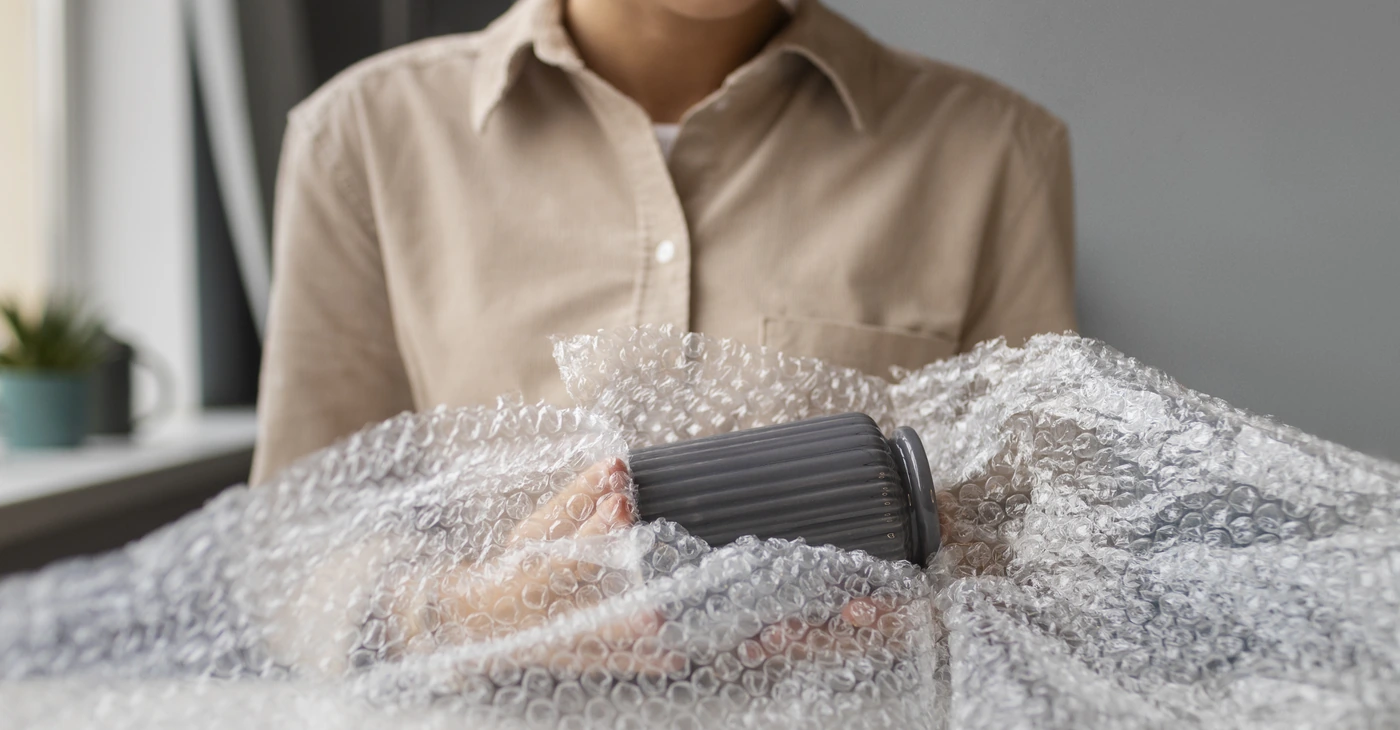
If you are planning a move and wondering how to use bubble wrap, the right technique can make a major difference in protecting fragile items from cracks, dents, and scratches. Whether you are packing dishes, electronics, artwork, or office equipment, proper wrapping reduces the risk of damage during transport or storage.
Many homeowners and businesses in Houston and Sugar Land rely on professional packing services when moving valuable belongings because careful packing matters just as much as transportation. Knowing how to wrap items correctly is the first step toward protecting what matters most.
When to Use Bubble Wrap
Bubble wrap works best for items that can easily break, chip, scratch, or suffer impact damage during a move. Its air-filled bubbles absorb shock and create a protective layer around delicate belongings.
According to the U.S. General Services Administration (GSA), proper cushioning materials help reduce shipping and moving damage for fragile goods by minimizing vibration and impact during transit. Using the right protective material can help avoid costly replacements.
Items That Need Bubble Wrap for Safe Packing
You should use bubble wrap for:
- Glassware, dishes, and ceramics
- Electronics like laptops, monitors, and TVs
- Mirrors and picture frames
- Decorative items and collectibles
- Glass shelves and tabletops
- Fragile office equipment
For example, if you are relocating a home office or apartment, fragile electronics often need extra protection. Many families working with movers in Houston, TX, choose professional packing support for these high-risk items.
When To Avoid Using Bubble Wrap
Bubble wrap is not ideal for every item.
Avoid using standard bubble wrap for:
- Heavy tools or sharp objects that can puncture the plastic
- Furniture that benefits more from moving blankets
- Temperature-sensitive items needing insulated packaging
Instead, use foam padding, cardboard protection, or heavy-duty blankets when needed. Combining materials often gives the best protection during long-distance moves.
Sizes of Bubble Wrap
Choosing the right bubble size matters more than many people realize. Different bubble sizes provide different levels of cushioning depending on the weight and fragility of an item. Generally, bubble wrap falls into two common categories: small bubbles and large bubbles.
Small Bubble Wrap
Small bubble wrap works best for lightweight and fragile belongings.
Use smaller bubbles for:
- Plates and bowls
- Wine glasses
- Figurines and collectibles
- Small electronics
- Picture frames
The tighter cushioning helps protect delicate surfaces without adding unnecessary bulk.
Large Bubble Wrap
Larger bubbles provide more shock absorption and work better for heavier or oddly shaped belongings.
Use larger bubbles for:
- Flat-screen TVs
- Computer monitors
- Furniture corners
- Artwork and mirrors
- Large decorative pieces
For moves involving expensive electronics or oversized items, professional movers from Houston to Dallas often recommend layering larger bubble wrap with sturdy boxes for added protection during long-distance transportation.
How to Wrap With Bubble Wrap in 5 Simple Steps
Learning the correct wrapping method helps prevent movement and impact damage. One common mistake people make is wrapping too loosely or using too little material.
1. Clean and Prepare the Item
Before wrapping anything, clean the item and remove dust or moisture.
Take apart removable pieces if possible. For example, remove shelves from cabinets or detachable cords from electronics. Smaller components should be packed separately and labeled clearly.
2. Place the Bubbles Facing Inward
Always place the bubble side against the item.
This creates better cushioning because the air pockets directly absorb impact. It also helps prevent surface scratches. Many people mistakenly place the bubbles outward, which reduces protection.
3. Wrap the Item Completely and Secure the Edges
Cover the item fully and avoid leaving exposed corners.
Overlap the edges slightly and secure the wrap with packing tape. However, avoid placing tape directly on delicate surfaces because it may leave residue or damage finishes.
4. Add Extra Layers for Fragile Items
Highly fragile items need additional protection.
For mirrors, electronics, and glass décor, use two or three layers of bubble wrap. The Federal Motor Carrier Safety Administration recommends properly securing household goods to reduce movement and transport-related damage.
You can also combine bubble wrap with cardboard corner protectors for maximum safety.
5. Place Wrapped Items Correctly in Boxes
Even properly wrapped items can break if packed incorrectly.
Place heavier items at the bottom of the box and lighter pieces on top. Fill empty spaces with packing paper or soft cushioning to stop shifting during transit.
If you are planning a local relocation, experienced Houston to the Woodlands movers often recommend testing a box by gently shaking it. If anything moves inside, add more padding.
Is Bubble Wrap a Good Insulator?
Yes, bubble wrap can act as a temporary insulator.
Because bubble wrap traps air inside sealed pockets, it helps slow heat transfer. This is why some people use it for temporary window insulation or protecting temperature-sensitive packages.
According to the U.S. Department of Energy, trapped air layers can improve insulation efficiency by reducing heat loss through surfaces. However, bubble wrap should only be considered a temporary insulation solution, not a replacement for proper insulation materials.
Where to Buy Bubble Wrap for Moving or Shipping
Bubble wrap is easy to find and available in several sizes.
You can buy it from:
- Moving companies like AFA Movers
- Office supply stores
- Home improvement retailers
- Shipping supply stores
- Online marketplaces
If you are preparing for a full apartment or office move, buying in bulk often saves money. Professional movers can also estimate exactly how much packing material you need, reducing waste and unnecessary costs.
Need Professional Packing Help? Trust AFA Movers
Knowing how to use bubble wrap correctly can help protect fragile belongings during a move, but the right materials and packing methods make all the difference. Choosing the proper bubble size, wrapping items carefully, and preventing movement inside boxes all reduce the risk of costly damage.
For homeowners and businesses moving in Houston or Sugar Land, AFA Movers provides reliable packing and moving support designed to keep belongings safe. Whether you are relocating across Houston or moving from Houston to another Texas city, their experienced team can help make the process smoother and less stressful.